Subsidised imports take place when a foreign government pays subsidies to its home producers or exporters, and these products are then exported to Indonesia. These imports are deemed to be “unfair” as it means Indonesian producers have to compete against producers that have benefited from foreign government subsidy. On the other hand, since Indonesian producers do not receive the same government support, they are at a disadvantage in trying to compete with those subsidised products.
To improve Indonesia’s capacity to address subsidised imports, ARISE+ Indonesia has analysed Indonesian countervailing legislation to identify gaps that should be addressed through legislative amendments, regulations and guidelines. The project also identified other necessary action to place Komite Anti-Dumping Indonesia (KADI)1 in a position to confidently conduct countervailing investigations, such as the preparation of documents used in countervailing investigations, technical training for KADI and Direktorat Pengamanan Perdagangan (DPP)2 , and the development of standard operating procedures (SOPs).

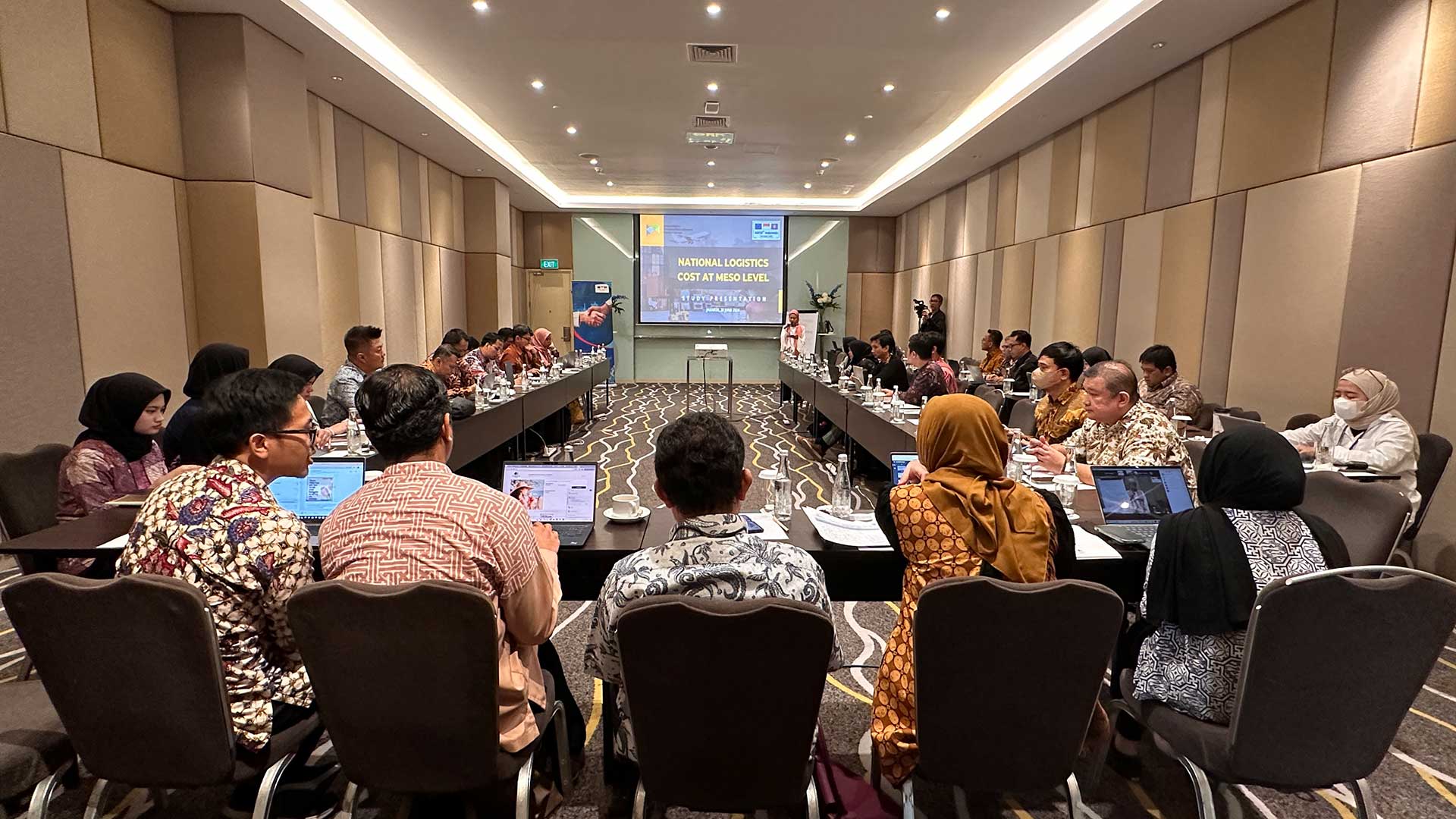
Ibu Pradnyawati, Director of Direktorat Pengamanan Perdagangan (Trade Defence Directorate), ARISE+ Expert, Mr Gustav Brink and Training participants.
If industries can prove that imports are subsidised, and that these imports cause injury to the domestic industry producing a like product, it can approach the KADI to start a countervailing investigation. This investigation can lead to the imposition of countervailing (anti-subsidy) duties to level the playing fields. Countervailing duties may be imposed for a period of 5 years at the level of the margin of subsidies found to exist, and also be renewed for another period of 5 years.
1 Indonesian Anti-Dumping Committee
2 Trade Defence Directorate