Technical Assistance II
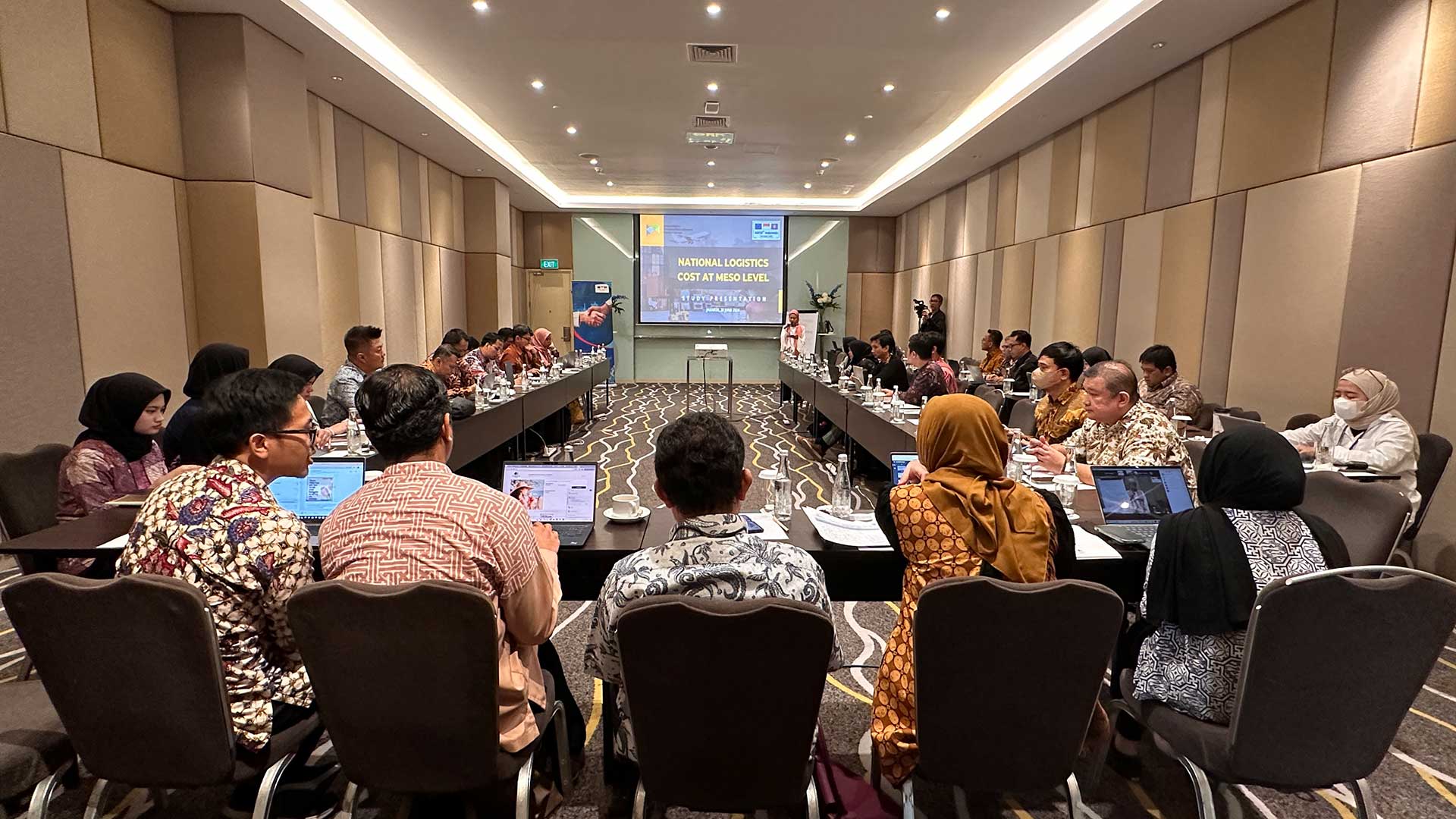
As part of the government's ongoing efforts to streamline national logistics costs, the Ministry of National Development Planning/Bappenas has once again partnered with ARISE+ Indonesia to conduct a study on the national logistics cost. Following the previous policy study conducted at the macro level in 2022-2023, this new study focuses on the meso level, considering the characteristics of goods movement across regions in Indonesia. While the macro-level study provided an overview of national logistics costs, the meso-level study aims to offer a more detailed and comprehensive picture of the logistics cost structure by examining costs between regions and modes of transportation, thus enabling the formulation of more effective policies.
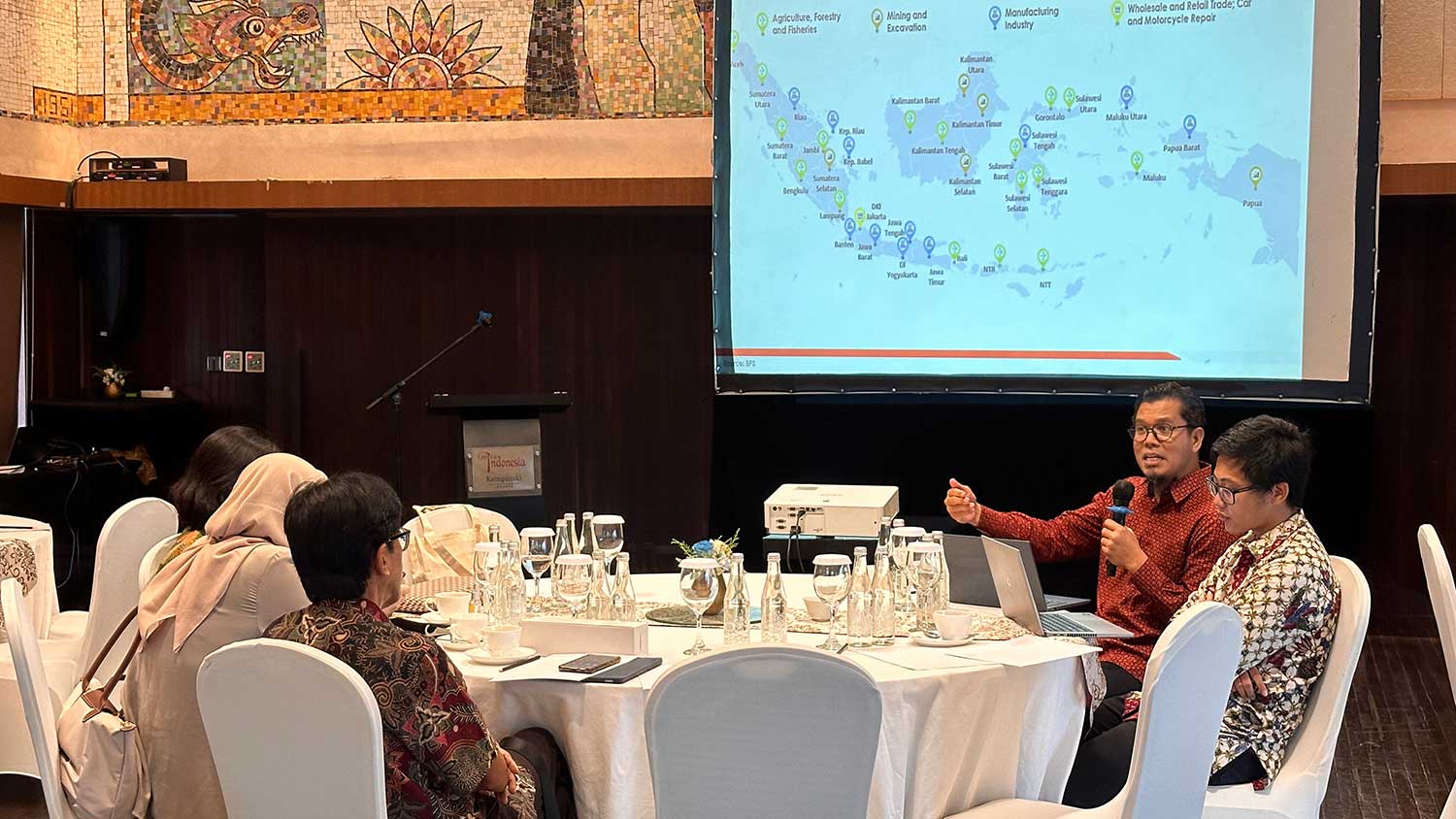
To gather insights and input on the direction of future logistics development policies, Bappenas, supported by ARISE+ Indonesia, organised a Focus Group Discussion (FGD) on 16 May 2024. The event aimed to obtain input related to the logistics cost structure of shipping goods according to the mode of transportation, route, and type of goods. The components considered included inland freight (trucking/pipeline), sea or air freight, warehousing, and administration.
ARISE+ Indonesia's Senior Logistics Expert, Ebi Junaedi, presented the initial study results and led the FGD. The discussion saw participation from representatives of various logistics associations in Indonesia, such as the Indonesian Logistics and Forwarders Association (ALFI), the Association of Indonesian Express Delivery Service Companies (ASPERINDO), the Indonesian Cold Chain Association (ARPI), the Indonesia National Shipowners Association (INSA), the Indonesian Trucking Association (APTRINDO), the Indonesian Digital Economy Logistics Association (ALDEI), and the Indonesian Temporary Storage Business Association (APTESINDO).
In her remarks, PN Laksmi Kusumawati, Director of Trade, Investment, and International Economic Cooperation at Bappenas, emphasised the importance of logistics cost efficiency in achieving the goal of a Golden Indonesia, as outlined in the 2025-2045 Long-Term Development Plan. "Currently, the percentage of logistics costs to GDP is 14.29%, and we are targeting a reduction to 8% by 2045," said Ms Laksmi.
She highlighted that strengthening national logistics is crucial for integrating the domestic economy into the global economy, aiming for high economic growth with a target of 7%. This effort is essential for Indonesia to escape the middle-income trap and become a top-five developed country by 2045.
The interactive discussion yielded highly positive and valuable input from the logistics business community. Hasanuddin Yasni, Chairman of the Indonesian Cold Chain Association, highlighted the lack of storage logistics and inadequate supporting infrastructure in eastern Indonesia, which resulted in under-utilised transport vessels and irregular delivery schedules, disrupting supply chains.
Yasni emphasised that developing the cold chain could be a significant step towards reducing national logistics costs. However, he pointed out that the strategy must take into account geographical challenges to achieve operational cost efficiencies and identify the right investment model. "When calculating logistics costs, the balance between distribution and storage costs requires a special formula to avoid idle capacity in the supply chain," Yasni said.
Other participants underlined the importance of price stability and energy availability, key components of transport, which in turn is a crucial part of logistics.
Discussing the development programme outlined in the RPJP 2025-2045 as part of the efforts to achieve logistics cost efficiency, Yasni remarked, "The development programme designed by Bappenas to create new growth centres, especially in the eastern region, is very promising. However, it needs to be supported by the right strategy, clear regulations, adequate infrastructure, and a conducive logistics investment business model to attract investors."
The collaborative efforts and insights gained from this FGD will play a crucial role in shaping effective and sustainable logistics policies, contributing to Indonesia's vision of becoming a sovereign, advanced, and sustainable nation.