Unfair and distortive forms of international trade come in many forms and guises, including dumping, subsidisation, cartel agreements, price-fixing, the abuse of a dominant position on the market, and many more. These can contribute to many economic challenges but also raise important challenges, including employment, poverty and environmental concerns.
To help the relevant authorities tackle this issue, the Center for Foreign Trade Analysis, Trade Policy Analysis and Development Agency of the Ministry of Trade, with support from the ARISE+ Indonesia, organised an advanced workshop on trade remedies. The objective of the workshop was to train participants to conduct a comprehensive and complex modelling assessment of the socio-economic impact of trade remedy actions.
Ms Nurlaila Nur Muhammad, the acting Head of Center for Foreign Trade Analysis from the Ministry of Trade, underscored the importance of reliable data and robust methodology in implementing the trade remedy policy.
"Trade remedy instruments (anti-dumping, countervailing, and safeguards measures) are vital to support the investment or domestic business climate, but on the other hand, it can affect the downstream industry, consumers, and possibly the macroeconomy. Thus, should be thoroughly and objectively analysed," she said in her opening remarks.
According to Ms Nurlaila, the Indonesian government would consider the national interest before imposing the anti-dumping, countervailing duties, or safeguards measures led by the National Interest Advisory (NIA) Team. She also emphasised the important role of the private sector in providing reliable data and information to analyse the impact of trade remedies on the upstream and downstream industries.
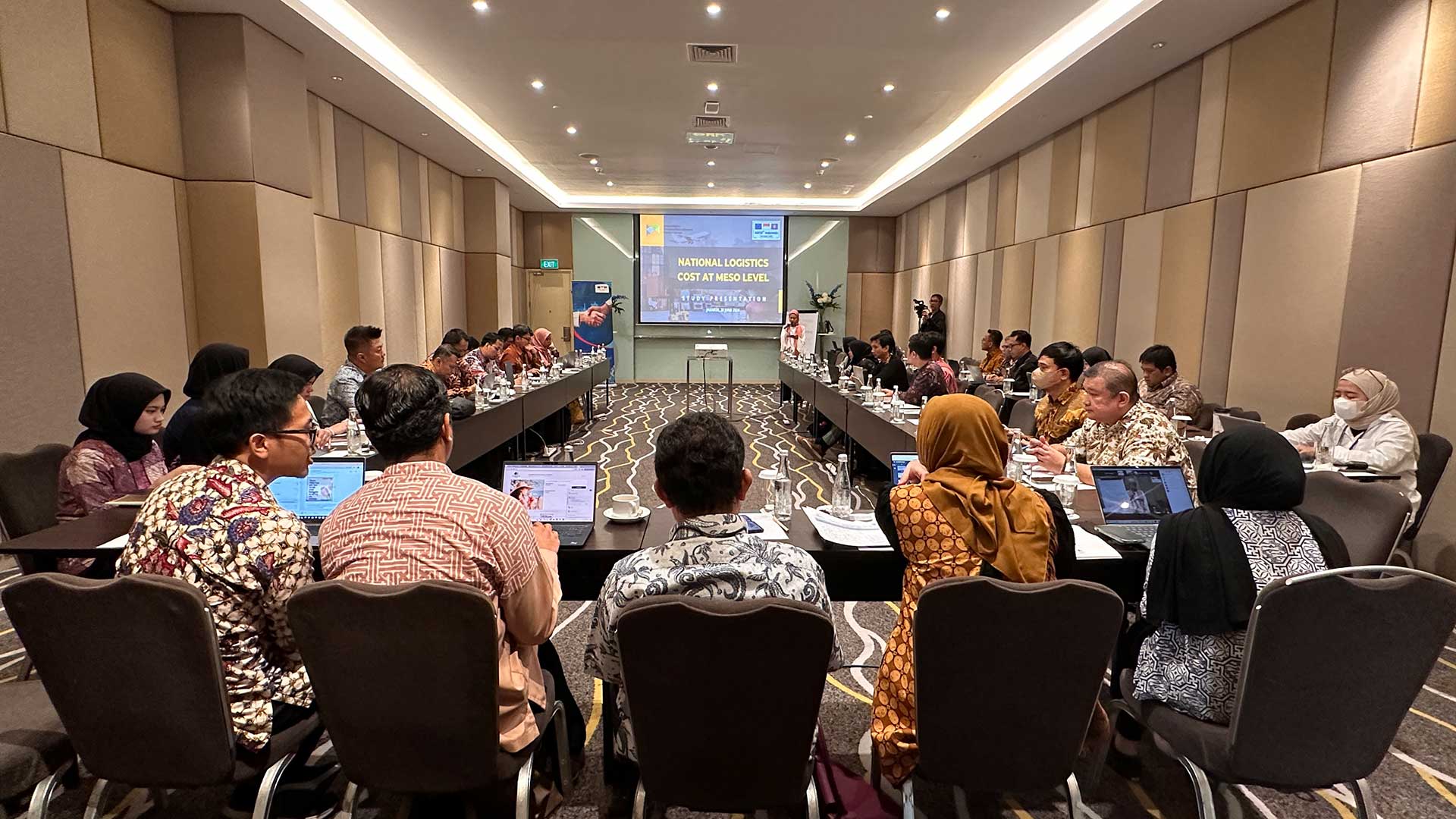
The workshops, which took place on Monday and Wednesday, 13 and 15 December 2021, involved: The Directorate of Trade Defence (DPP) of the Ministry of Trade, Anti-Dumping Committee (KADI), Safeguard Committee (KPPI), Centre for Foreign Trade Policy (TREDA), other relevant ministries and public institutions, private sectors, and business associations.
According to the Ministry of Trade data, there have been 20 active measures applied by Indonesia in 2021. Textile and textile products have witnessed the most trade remedy measures, followed by the iron and steel sector. Plastic products have also experienced the application of several trade remedy measures. Meanwhile, China, India and Thailand are the countries most impacted by Indonesia's measures.
Two prominent experts facilitated the workshop on trade remedy, Paul Baker, founder and CEO of International Economics Consulting Ltd., and Neetish Hurry, Director of Analytics and Cognitive Computing, International Economics Consulting Ltd. The experts also helped develop a methodology for assessing the impact of trade remedies that incorporated a gender component to determine the effects on women's employment and income. James Lenaghan, ARISE+ Indonesia Senior Trade Facilitation Expert provided overall guidance on the activities.
Despite being conducted online; the workshop was interactive and fruitful. The workshop, which focused on the framework, process, and data models for the impact assessment, was designed to enhance the ability of policymakers and analysts to understand the process and mechanics of the assessment methodology, and apply it in future trade remedy investigations.
Presentation Materials